

The Great Fixed-Income Reset Global Bond Markets, Autumn 2026
The Great Fixed-Income Reset
Global Bond Market Newsletter · Gratke Wealth, LLC
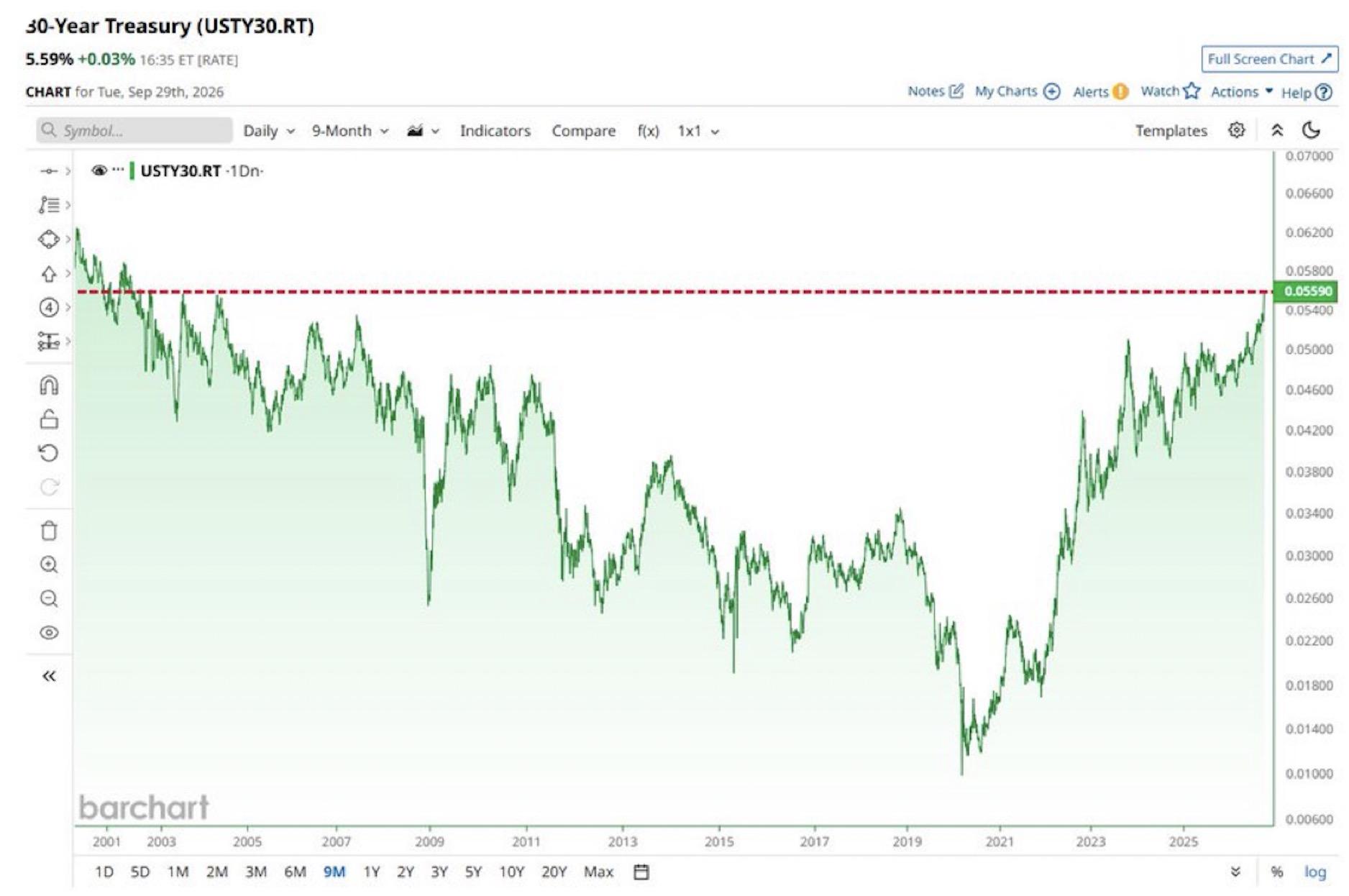
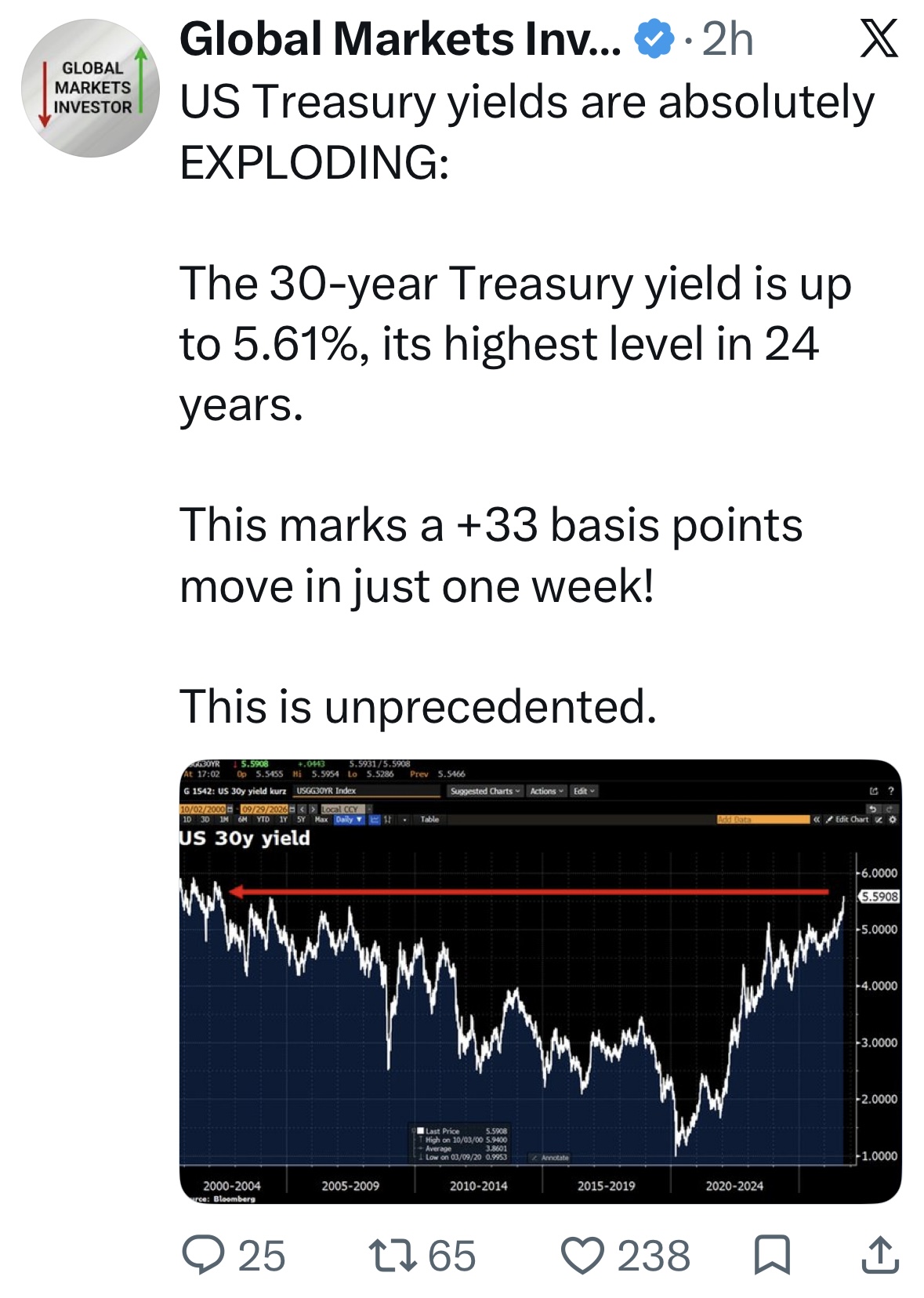
After years near zero, global bond yields have climbed to levels we have not seen in a long time, and the speed of that move matters as much as the number itself.
Markets and economies can usually adapt to almost any level of rates if they have time. It is a rapid change that tends to cause the most disruption. That is why today's environment deserves close attention.
We are seeing a reset in global fixed income. It touches everything from mortgage and business borrowing costs to government budgets to the way investors think about risk. When rates move this quickly, it feels less like a gradual adjustment and more like a pressure test for the whole financial system.
The 60,000-Foot Overview
Interest rates are going up, and we expect them to keep rising until they push the global economy into recession.
At that point, central banks worldwide are likely to reverse course quickly and begin cutting rates. Historically, that turn is when inflation-hedging assets have done their best work, and it is the scenario the Gratke Wealth, LLC inflation-hedging strategies are built for, although those strategies have not needed a ‘rate cut’ to excel in recent years. For example, gold went from $2,000 per ounce to over $5,000 in the past few years.
Word of the day: patience.
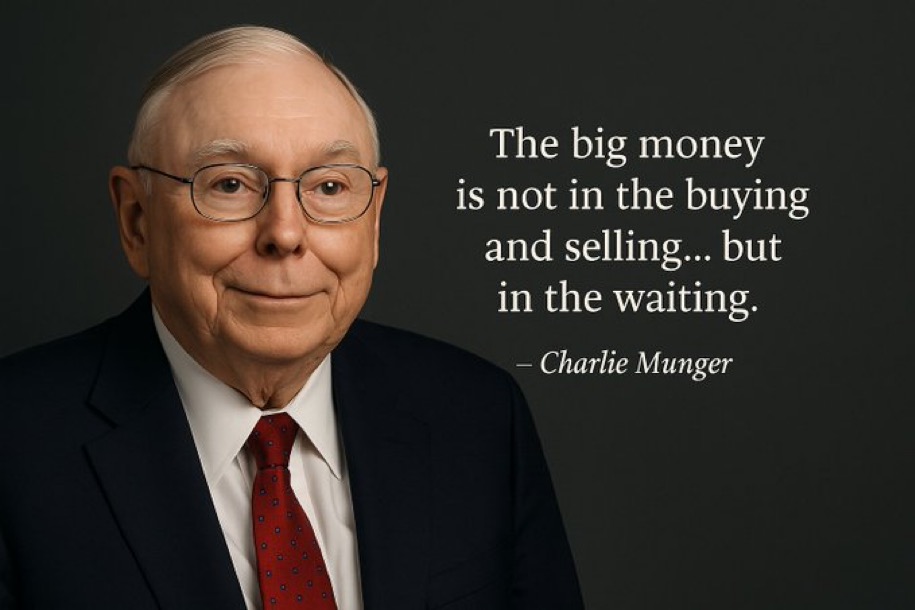
Charlie, Anything you’d like to add to this conversation?
Too Much Debt, and the Inflation Exit
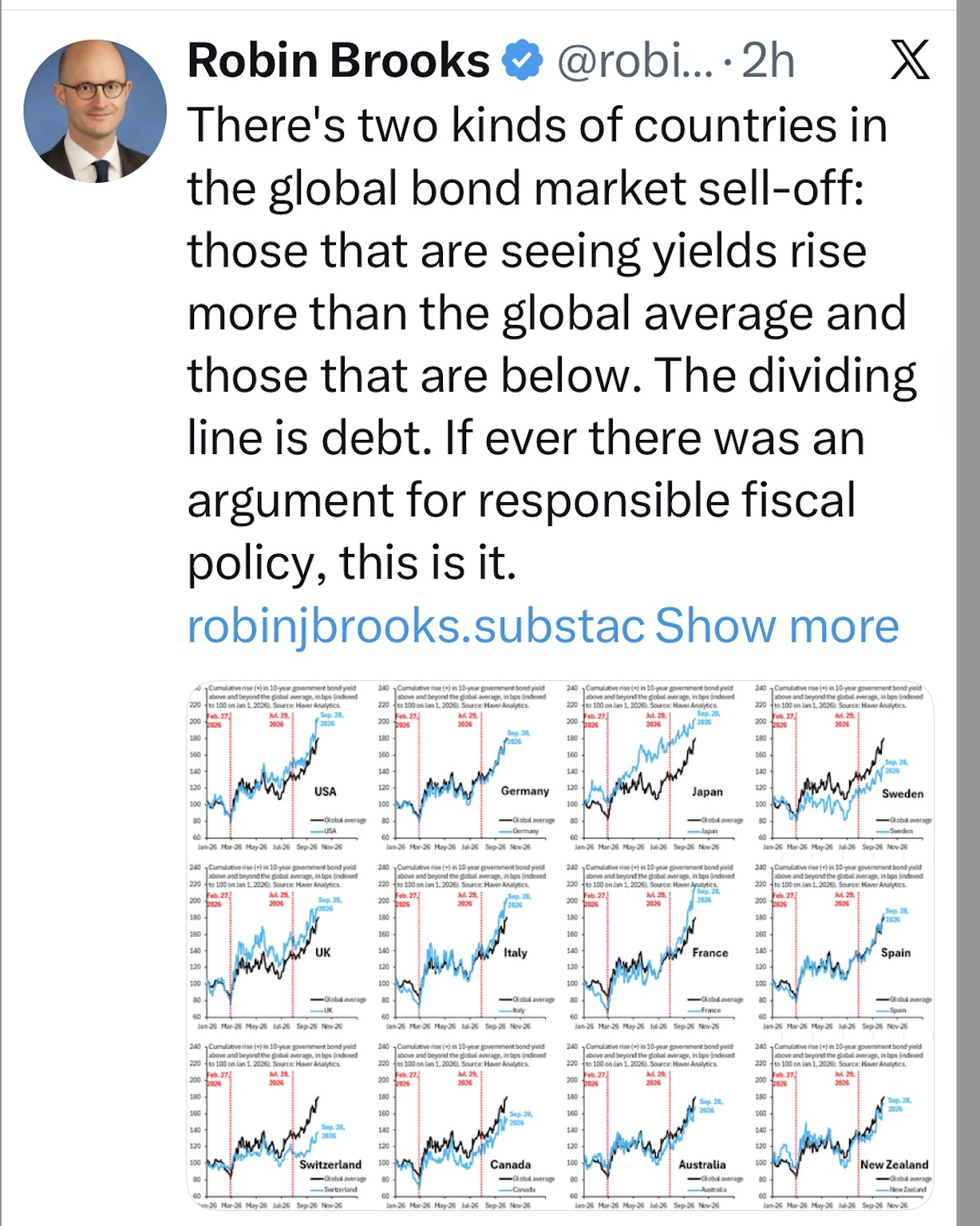
Global bond markets appear to have finally woken up to a simple reality: there is too much debt in the world. It is a point I may have "mentioned" once or twice in these newsletters over the past five-plus years.
There are only a few ways out of an excessive debt load. Outright default is one, but it is a hard sell to voters (yes, sarcasm). The more practical path is inflation, which shrinks the real burden of the debt over time.
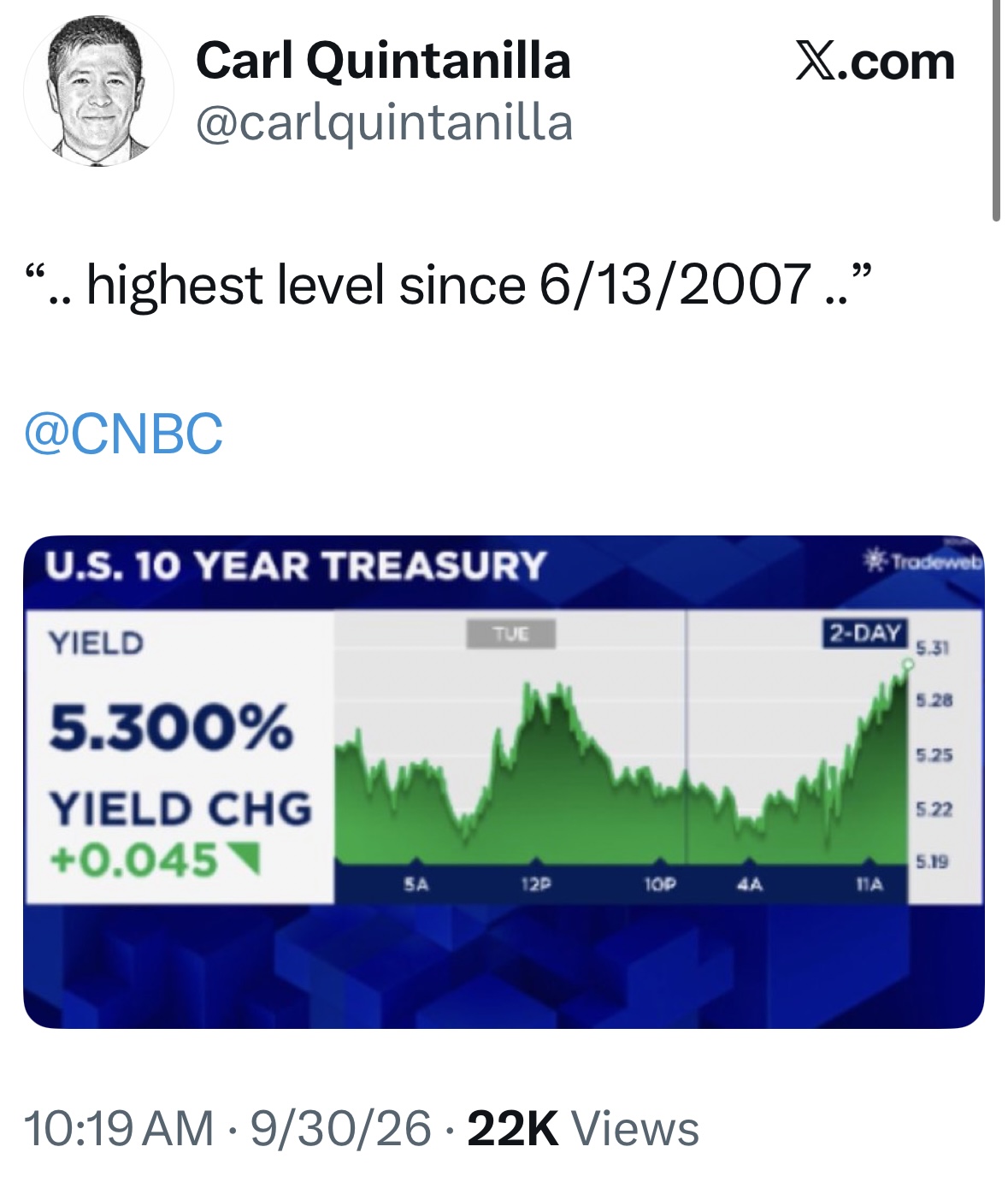
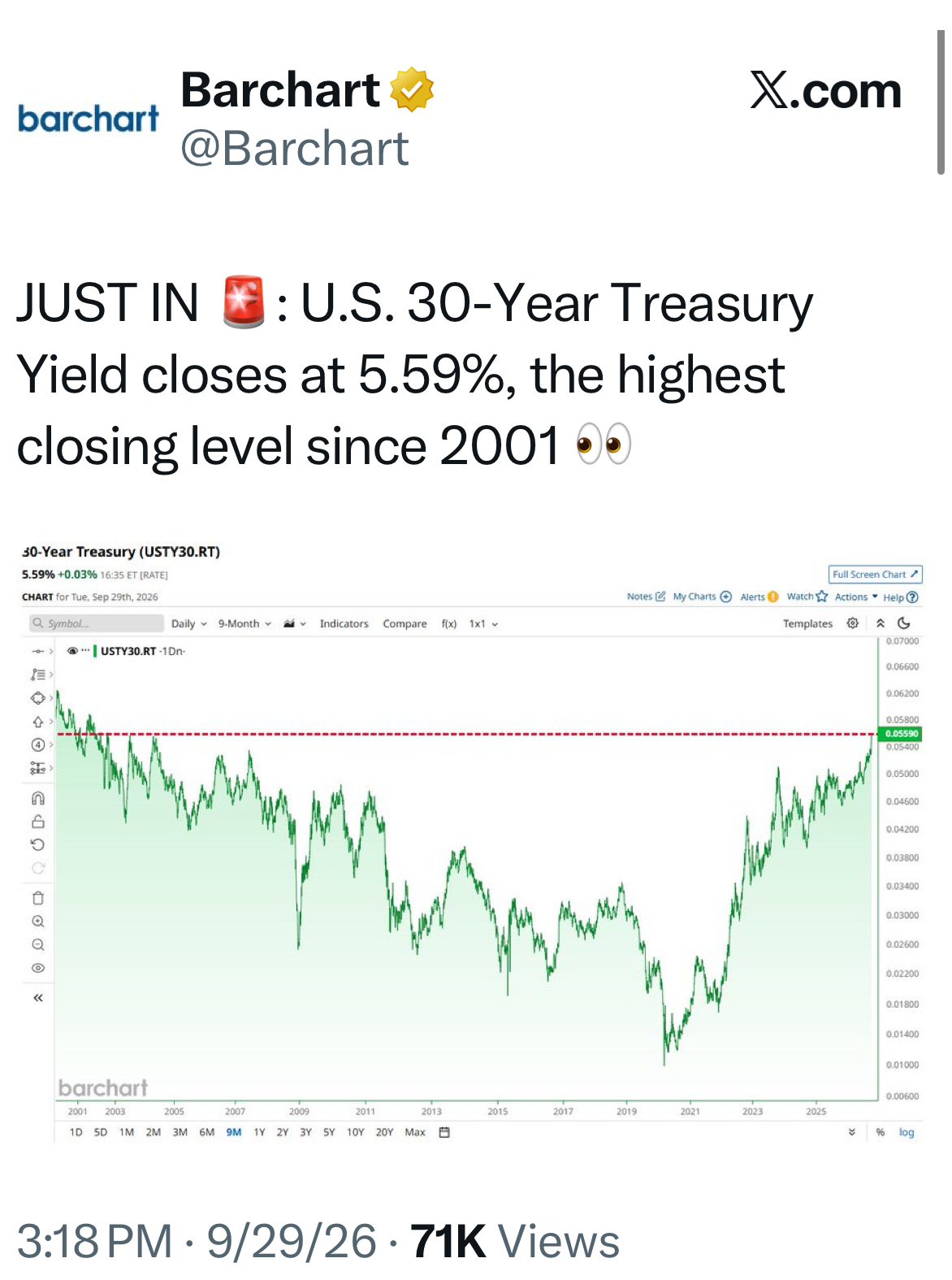
That is why bond yields are rising. Investors are demanding more compensation for the risk of higher inflation, and yields have moved back above 5%, levels last associated with the stresses that led into the 2008–2009 Global Financial Crisis.
Alan Greenspan put the underlying issue well in 2005, speaking about government promises: we can guarantee the benefits, "but we cannot guarantee their purchasing power." When debt burdens become excessive, inflation erodes the value of the currency that debt is written in.

Where the Pressure Shows Up
Higher yields ripple well beyond the bond market:
- Borrowing costs. Mortgages, business loans and credit lines reprice higher, slowing spending and investment.
- Government finances. Heavily indebted governments must refinance at much higher rates, which widens deficits and adds to the debt problem itself.
- Real estate. Investors are getting a quick lesson in cap rates above 5%, and in how far rents must rise to justify today's prices.
- Stocks. Equity markets continue to defy gravity, for now.
Today’s bond yields are at the levels they were before the 2008-2009 Great Financial Crisis. Rising interest rates, in large part, ushered in that recession, as shown below.
Determined People on Both Sides
Markets reflect the actions of very determined people on every side of a trade. There have been moments in history when major investors successfully challenged currencies and forced policy to change.
Today the dynamic is different. Policymakers are working hard to steady the system and keep financing conditions from becoming too disruptive. That tension, between bond investors demanding more and central banks trying to hold the line, is what makes this period so worth watching.
Time for a Lesson in Semantics for bond investors
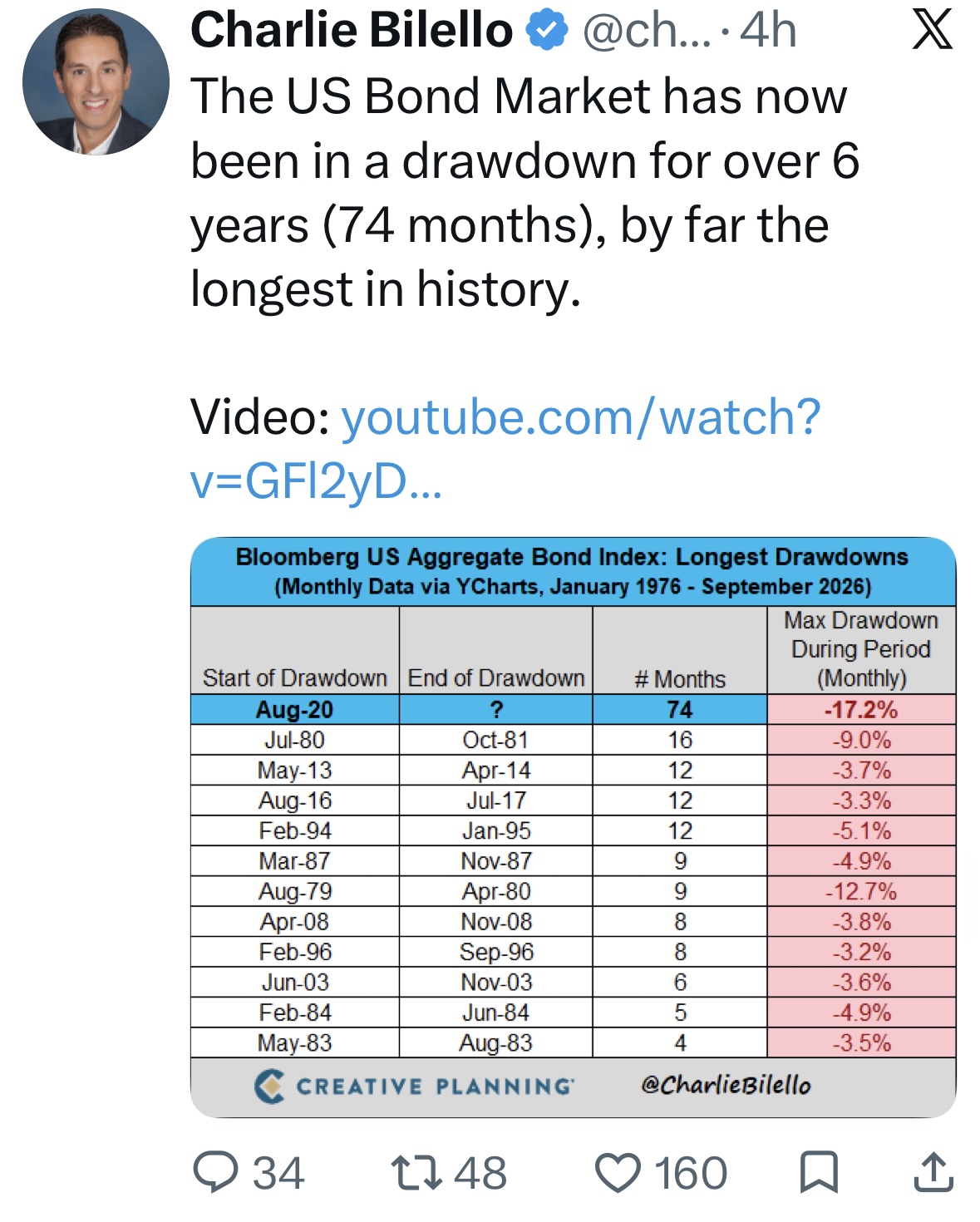
Over the years, our firm has fielded more than a few near-panicked phone calls and emails from investors after they read a blunt assessment of owning bonds in a rising-rate environment.
When the article is written properly—and the author understands the subject and does the job correctly—it will point out a fundamental fact: long-term bonds can suffer substantial price declines when interest rates rise.
That is precisely why our firm does not own long-term bonds.
The problem is that authors—and the talking heads who repeat them on television—often fail to distinguish between the significant price volatility of long-term bonds and the relatively negligible price movements of short-term bonds.
There is a big difference, but often not spelled out.
Class dismissed.
By the way, the bond data shown below represents the U.S. bond market—that’s the “40” in the traditional 60/40 portfolio allocation, which serves as a benchmark for many retirement portfolios, including 401(k) plans, across America.
Addendum:
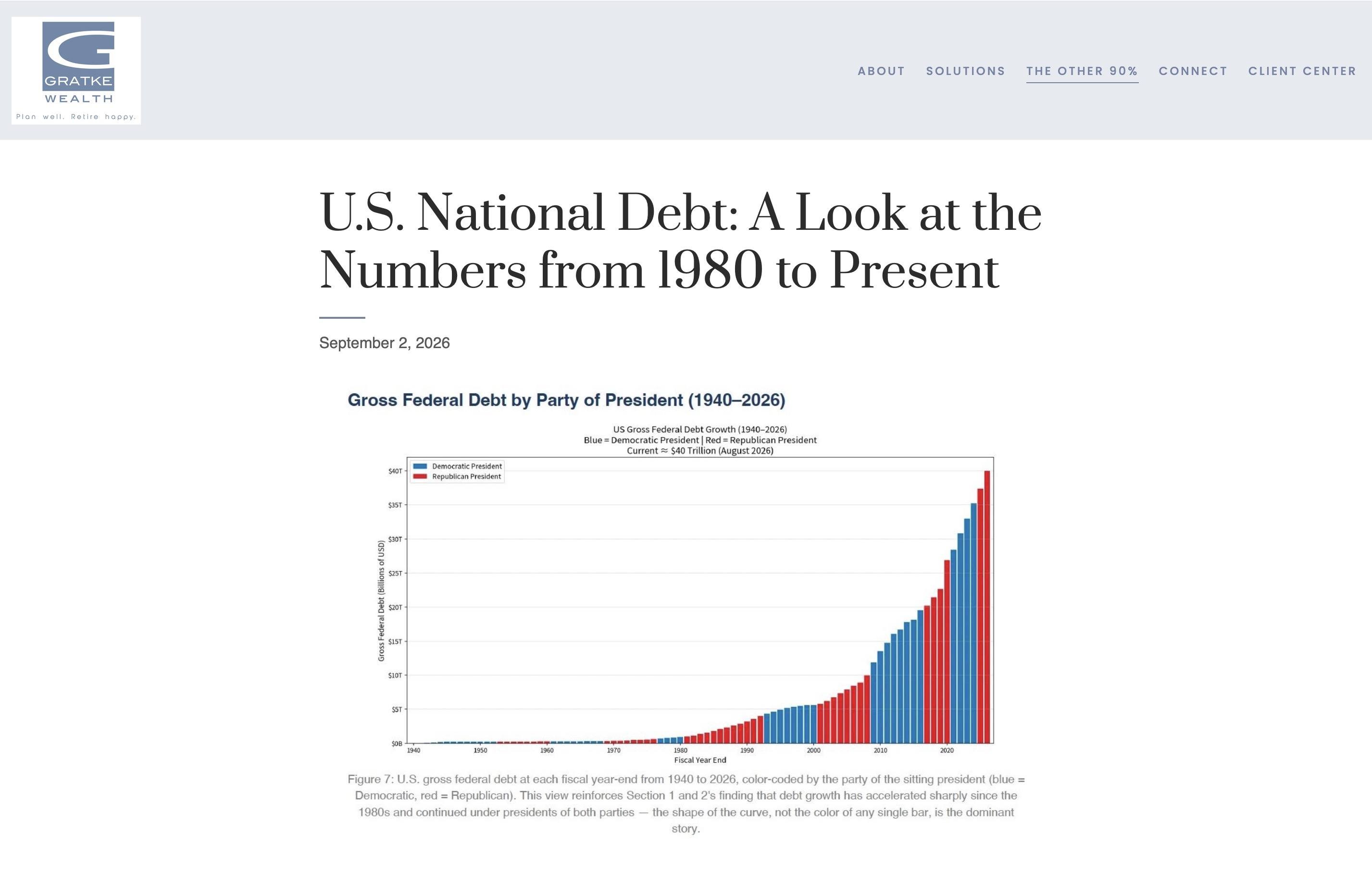
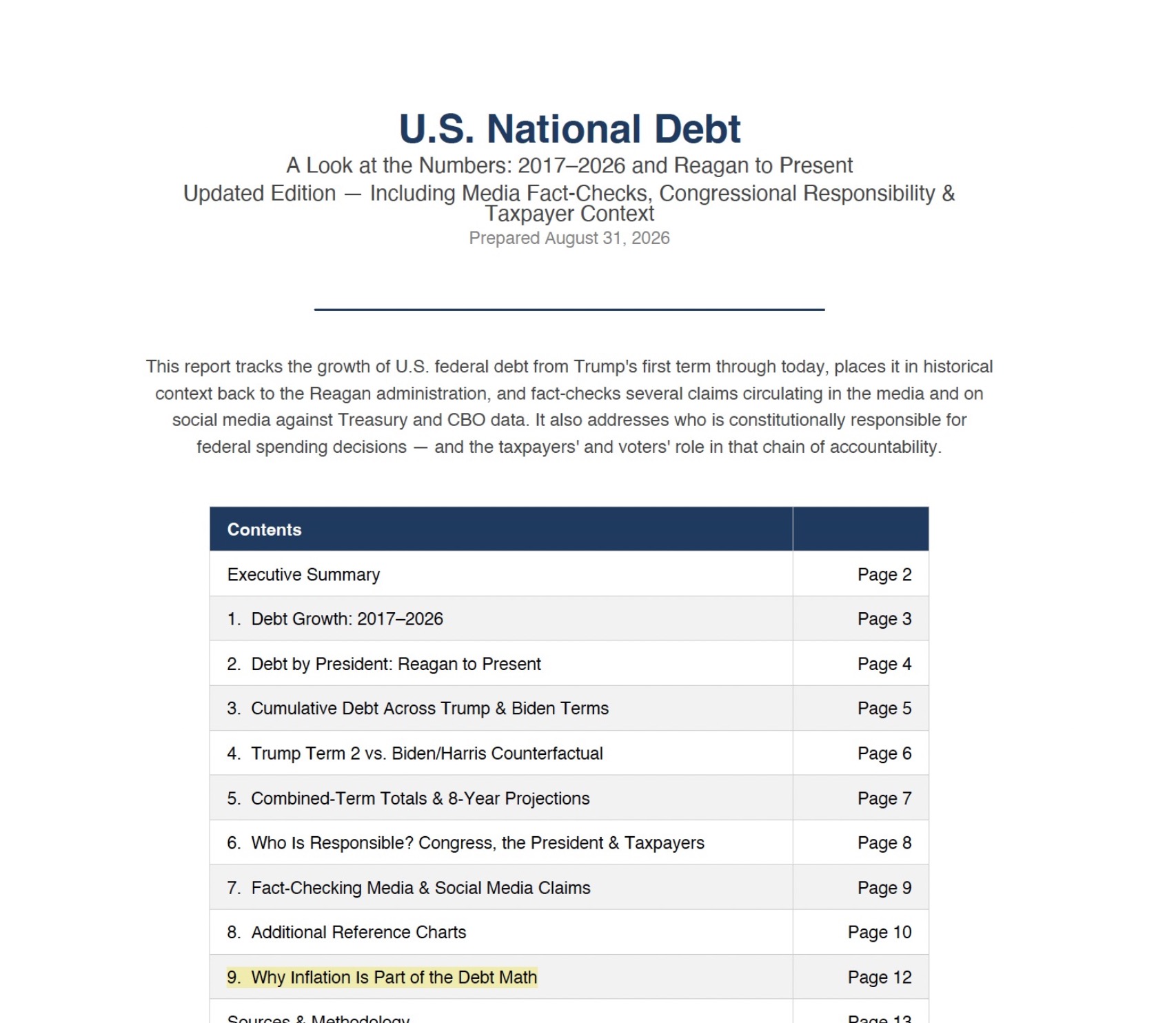
Here’s an article I wrote and published directly on the Gratke Wealth, LLC website regarding debt and how to pay for it, and how the Gratke Wealth, LLC Inflation-Hedging Strategies are positioned perfectly for this environment.
Note chapter nine: https://gratkewealth.com/the-other-90/us-national-debt-a-look-at-the-numbers-from-1980-to-present
Important information: This newsletter is for informational purposes only and reflects the views of Gratke Wealth, LLC as of the date shown, which may change without notice. It is not a recommendation to buy or sell any security. Forecasts are not guarantees, and past performance does not guarantee future results. All investing involves risk, including possible loss of principal.